
Antique furniture has something that new, mass-produced pieces often cannot replicate: history, character and craftsmanship. From an ornate Victorian armchair inherited from grandparents to a solid timber dining chair discovered at a second-hand shop, older furniture can become a distinctive feature in a Perth home.
Age, however, inevitably takes its toll. Upholstery becomes worn, springs lose their support, joints loosen, timber finishes deteriorate and decades of use can leave even beautifully made furniture looking tired.
Professional antique furniture restoration in Perth can give these pieces a new lease on life while retaining the qualities that made them special in the first place.
The key is understanding the difference between sympathetic restoration and simply making an old piece look new. With a genuine antique, doing too much can sometimes be just as damaging as doing too little.
Here is what Perth furniture owners should know before restoring an antique or vintage piece.
What Is Antique Furniture Restoration?
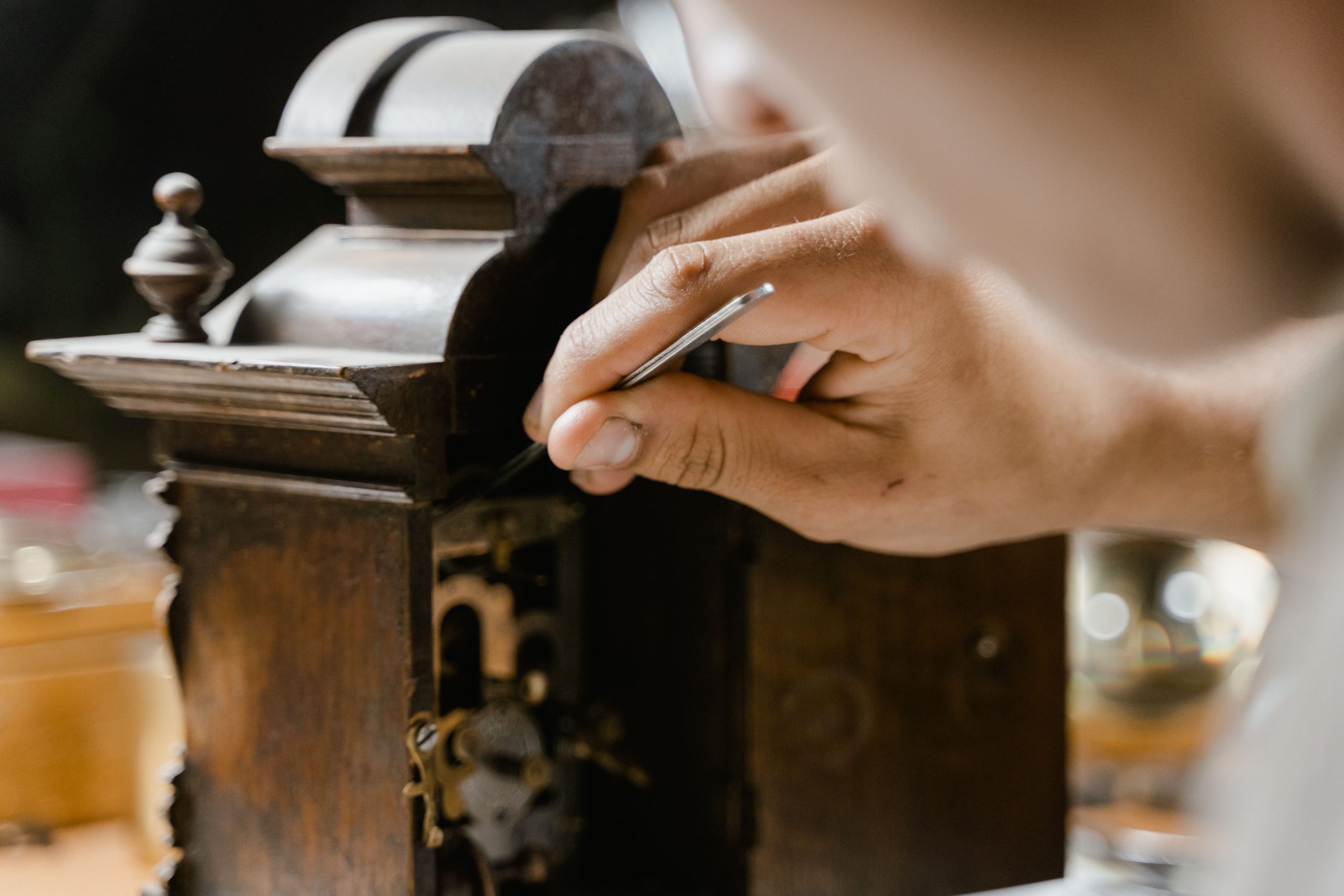
Furniture restoration is the process of repairing and rejuvenating an older piece while retaining as much of its original character, construction and craftsmanship as practical.
Depending on the furniture and its condition, restoration can involve:
- Repairing loose or damaged frames
- Replacing or repairing webbing
- Re-springing seats
- Restoring padding
- Repairing damaged timber
- Polishing timber components
- Replacing deteriorated upholstery
- Restoring traditional diamond buttoning
- Repairing seams, trims and decorative details
- Replacing damaged foam where appropriate
- Repairing damage caused by long-term use
The objective isn’t necessarily to make an antique indistinguishable from brand-new furniture. Good restoration should respect the age and character of the piece while making it structurally sound, attractive and comfortable again.
This is particularly important with furniture that has historical, sentimental or potentially significant monetary value.
Why Restore Antique Furniture Instead of Replacing It?
There are several reasons why an old chair, sofa or lounge may deserve restoration.
Superior Construction
Many older furniture pieces were constructed using quality hardwood frames and traditional joinery. A frame may remain exceptionally strong even after its upholstery, padding and springs have deteriorated.
Replacing these components can therefore extend the useful life of the furniture considerably.
Sentimental Value
Not every antique needs to be financially valuable.
The armchair that belonged to your grandparents or dining chairs that have been used at family gatherings for decades can carry memories that cannot be replaced by purchasing new furniture.
Restoration allows those pieces to remain part of the family.
Unique Character
Older furniture often includes details such as carved timber, turned legs, unusual proportions, deep buttoning and distinctive shapes that are difficult to find in contemporary furniture stores.
Sustainability
Restoring an existing piece also keeps usable furniture out of landfill and reduces the need to manufacture and transport a replacement.
For a well-made piece, vintage furniture repair can therefore be both a practical and environmentally conscious alternative to buying new.
The Antique Furniture Restoration Process
Every piece is different, but professional restoration normally starts with an assessment rather than immediately removing fabric or finishes.
1. Assessing the Furniture
The first step is establishing exactly what needs attention.
A restorer may examine the frame, joints, springs, webbing, padding, upholstery, timber and decorative elements.
For potentially valuable antiques, this stage is particularly important. Manufacturer labels, stamps, construction methods and other identifying features can provide clues about the furniture’s origin.
2. Carefully Removing Old Upholstery
Where reupholstery is required, the existing covering needs to be removed carefully.
This exposes the internal structure and often reveals problems that weren’t visible from the outside.
A chair that merely appears to have sagging upholstery, for example, might actually have broken webbing, fatigued springs or loose joints underneath.
3. Frame and Structural Repairs
There is little benefit in placing beautiful new upholstery over a weak structure.
Any necessary structural work should therefore be completed first. Loose joints may need attention, and damaged components may require repair or sympathetic replacement.
The aim is to create a strong foundation without unnecessarily replacing original material.
4. Springs, Webbing and Support
Traditional upholstered furniture can contain support systems quite different from those used in modern mass-produced furniture.
Where appropriate, springs may be repaired or re-laced and webbing renewed. Padding and cushioning can then be addressed to restore comfort and shape.
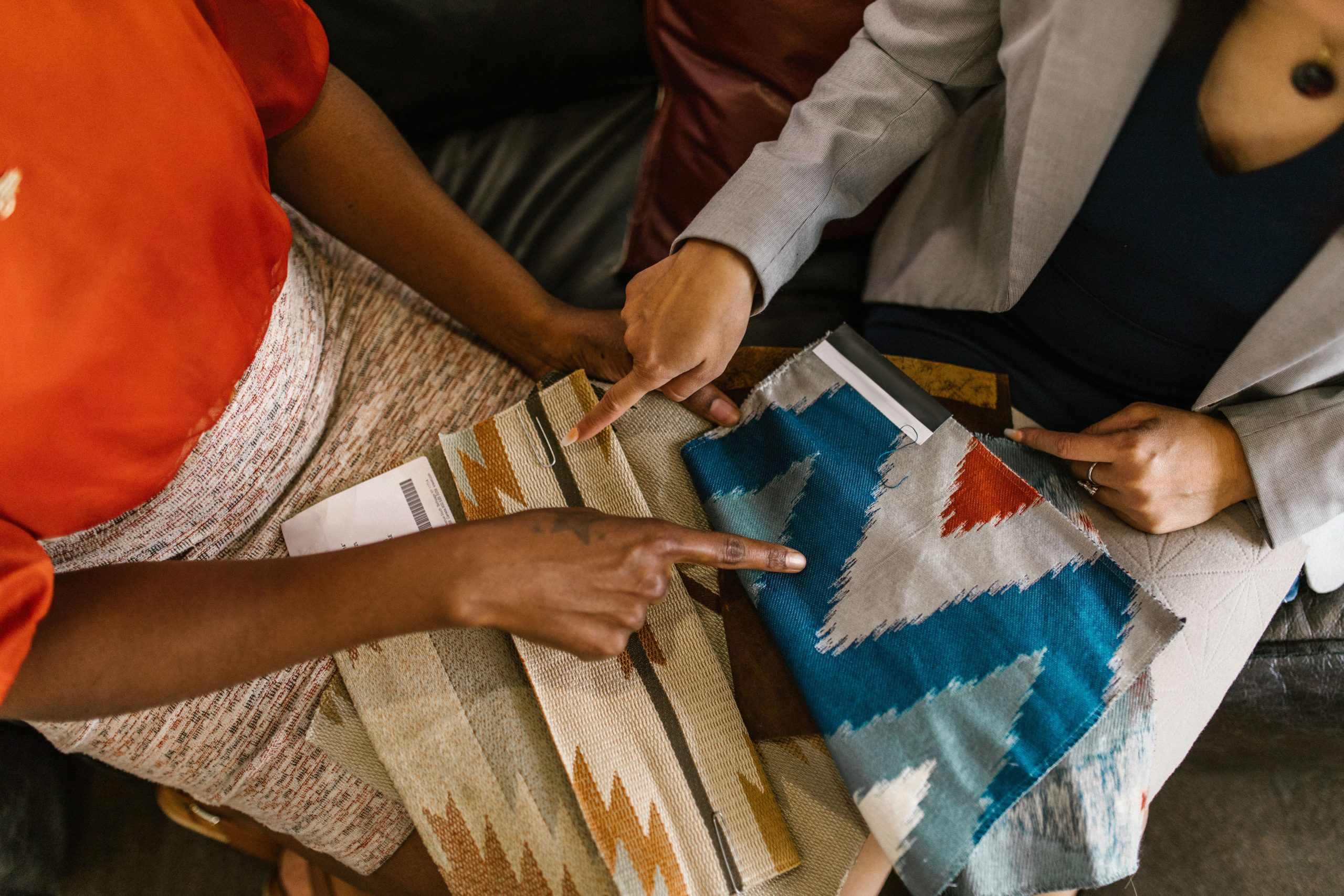
5. Choosing Upholstery
Choosing the right material is one of the most enjoyable parts of antique upholstery in Perth, but appearance isn’t the only consideration.
The fabric needs to complement the furniture’s style while also being appropriate for its intended use.
A decorative chair used occasionally may have very different requirements from an antique armchair that will be used every evening.
Colour, pattern, texture, durability and historical character should all be considered.
6. Reupholstery and Finishing
The new upholstery is then fitted with close attention to details such as seams, folds, piping, trims and buttoning.
Timber elements may also receive appropriate attention where required.
The result should look cohesive rather than like an old frame with unrelated modern upholstery added to it.
Antique Chair Restoration: Before-and-After Examples
The transformation possible through antique chair restoration can be considerable. Here are some typical examples of what a restoration project might involve.
Example 1: The Sagging Button-Back Armchair
Before:
A traditional armchair has faded fabric, several missing buttons and a seat that sinks heavily when someone sits down. The timber frame is fundamentally sound, but the internal support has deteriorated.
Restoration:
The chair is stripped carefully, its frame inspected and repaired where necessary, and the support system restored. Padding is reshaped and the chair is reupholstered, with its traditional buttoned detailing recreated.
After:
The armchair retains its recognisable period character but is once again supportive, comfortable and suitable for regular use.
Example 2: An Inherited Dining Chair
Before:
A timber dining chair inherited from a relative has scratched timber, worn seat fabric and loose joints. The owner wants to retain its familiar appearance rather than completely modernise it.
Restoration:
The structural problems are repaired first. The timber is sympathetically refreshed rather than unnecessarily stripped, and the seat is reupholstered in a material that complements the chair’s original style.
After:
The chair looks cared for rather than completely reinvented. Its age and character remain visible while it is stronger and more practical.
Example 3: The Vintage Chair with Outdated Fabric
Before:
A well-built vintage chair has a strong frame and attractive proportions, but its fabric is stained, faded and no longer suits the owner’s home.
Restoration:
Once the internal components are checked and repaired where necessary, the chair is recovered in carefully selected upholstery that works with its original shape.
After:
The furniture retains the quality and personality of the original piece while fitting naturally into a contemporary Perth interior.
These examples illustrate an important principle: restoration doesn’t have to erase a furniture piece’s history to produce a dramatic transformation.
When Does Restoration Preserve an Antique’s Value?
This is one of the most important questions to ask before undertaking antique restoration.
Restoration can help preserve the usefulness, appearance and potentially the value of an antique, but only when the work is appropriate to the particular piece.
Preserve Original Material Where Practical
Collectors can value originality. Original timber, joinery, hardware, labels and other surviving features may contribute to an antique’s significance.
Replacing original components unnecessarily can potentially reduce that originality.
Avoid Aggressive Refinishing
An old finish is not automatically a bad finish.
Patina—the natural surface character that develops through age and use—can form part of an antique’s appeal. Completely stripping a historically important finish simply to make the furniture look new may therefore be undesirable.
Make Necessary Structural Repairs Carefully
A chair with failing joints or damaged upholstery cannot simply be ignored indefinitely in the name of originality.
Appropriate conservation or restoration may help prevent further deterioration.
The important distinction is between doing what is necessary to stabilise and preserve the piece and making unnecessary alterations.
Choose Upholstery Carefully
If original upholstery is rare, historically significant or reasonably well preserved, seek specialist advice before removing it.
Where upholstery has already deteriorated beyond practical use, sympathetic replacement may be appropriate. Fabric can be chosen to complement the furniture’s period and design rather than overwhelm it.
Know When to Seek an Appraisal
If you believe you own a particularly rare, historically important or valuable piece, consider obtaining advice from a qualified antique furniture appraiser or conservator before authorising irreversible work.
Professional restoration and conservation are related but not identical. A museum-quality object may require a more conservative approach than a family heirloom intended for everyday use.
Restoration Versus Renovation: What’s the Difference?
The terms are sometimes used interchangeably, but there is an important distinction.
Restoration generally aims to retain or return a piece closer to its original appearance and character.
Renovation gives owners greater freedom to change it.
For example, putting brightly patterned contemporary upholstery on a 1950s chair could create a fantastic piece of furniture, but it may be better described as renovation or reupholstery than historically sympathetic restoration.
Neither approach is inherently wrong.
The appropriate choice depends on the furniture and what you want from it.
For an inexpensive vintage find, personal creativity may be the priority. For an identifiable and potentially valuable antique, preserving original character deserves greater consideration.
Is Vintage Furniture Repair Worth It?
A simple way to start answering this question is to look beyond the condition of the fabric.
If a piece has a strong hardwood frame, quality construction, comfortable proportions or sentimental importance, repair and reupholstery can be well worth investigating.
Signs that a piece could be a good restoration candidate include:
- A solid frame beneath worn upholstery
- Quality timber construction
- Attractive or unusual design
- Loose joints that appear repairable
- Worn or broken springs
- Sagging webbing
- Deteriorated padding
- Torn or faded fabric
- Significant sentimental value
Conversely, extensive structural deterioration in a low-quality piece can sometimes make replacement more practical.
A professional assessment can help establish the scope of work before you make the decision.
Choosing Antique Upholstery in Perth
Working on antiques requires more than knowing how to staple new fabric onto a chair.
Traditional furniture may involve coil springs, hand-finished details, deep buttoning and construction techniques that demand specialised knowledge.
Southside Upholstery provides antique restoration and furniture reupholstery from its workshop in Willetton, Perth. Its antique services include work such as re-springing, diamond buttoning, polishing, structural repair and reupholstery.
The team can assess the condition of an individual piece and determine what work is required before restoration begins.
That assessment is especially valuable with inherited furniture because deterioration inside a chair or sofa may be much more extensive than the visible wear suggests.
Give Your Antique Furniture Another Chapter
Antique furniture doesn’t need to be perfect to be beautiful. Small signs of age can be part of what gives a piece its individuality.
The goal of thoughtful restoration is therefore not simply to remove every indication of age. It is to protect the craftsmanship, character and memories contained in the furniture while ensuring it can continue to be appreciated and used.
Whether you have an inherited armchair, an antique lounge, vintage dining chairs or an interesting second-hand discovery, professional antique furniture restoration in Perth can help determine what is worth preserving and how best to approach the work. For specialist antique upholstery in Perth, antique chair restoration and vintage furniture repair, contact Southside Upholstery to discuss your furniture and arrange an assessment.